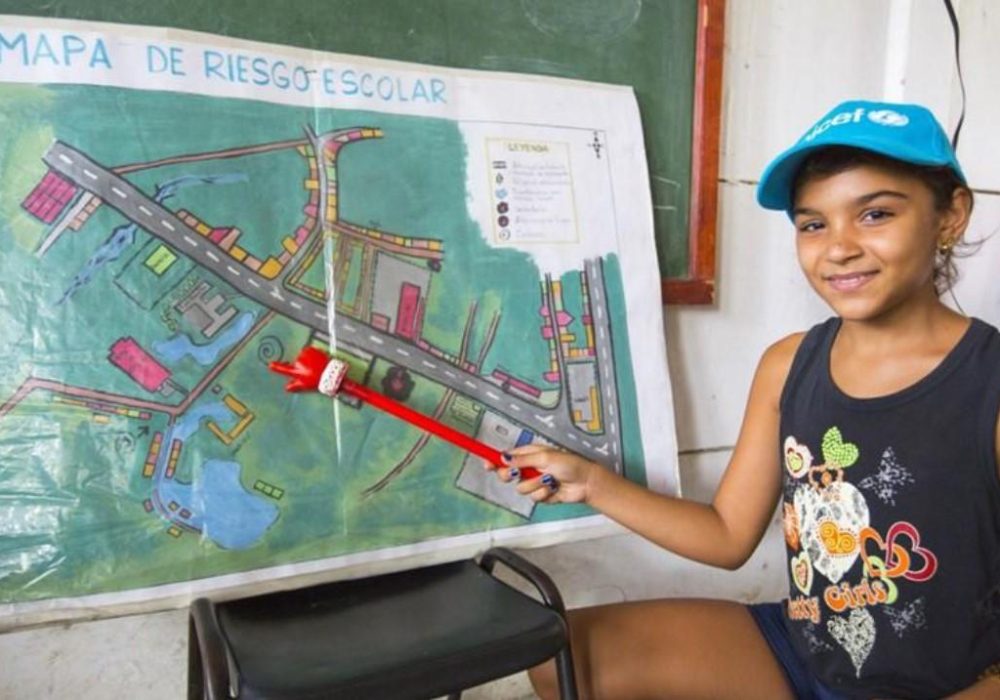
Cuba is a particularly sensitive island that has historically suffered numerous natural disasters, negatively impacting the development of its already complex and fragile socioeconomic situation. In the last 15 years alone, the island has been hit by 12 hurricanes, causing loss of human lives and significant economic damage. Natural disasters, such as earthquakes and hurricanes, have a great impact on children, youth, teachers, support staff, and educational systems in general.
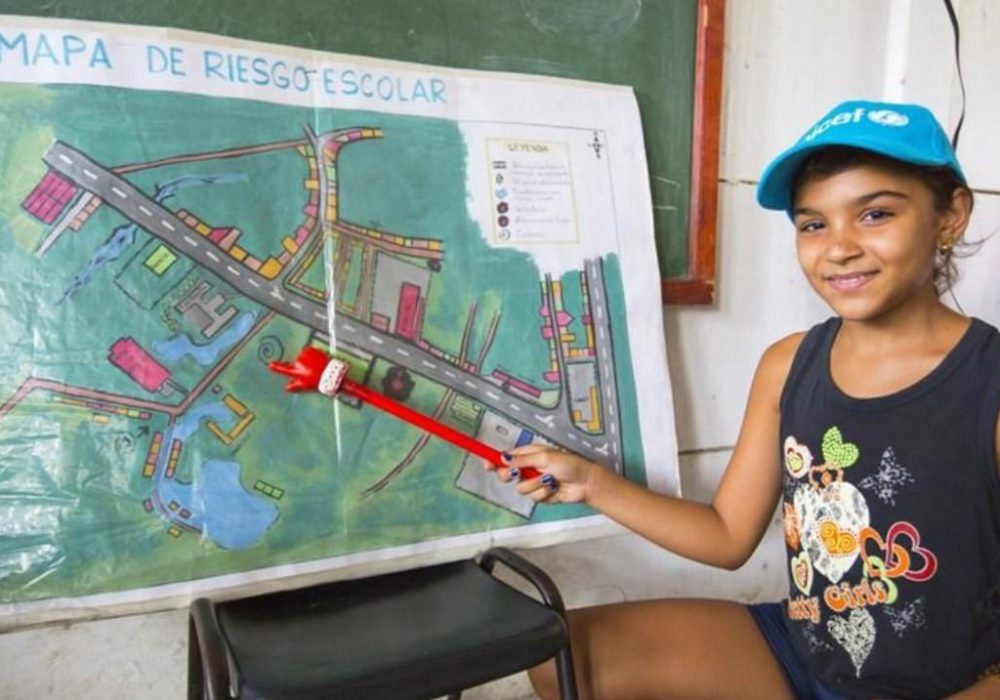
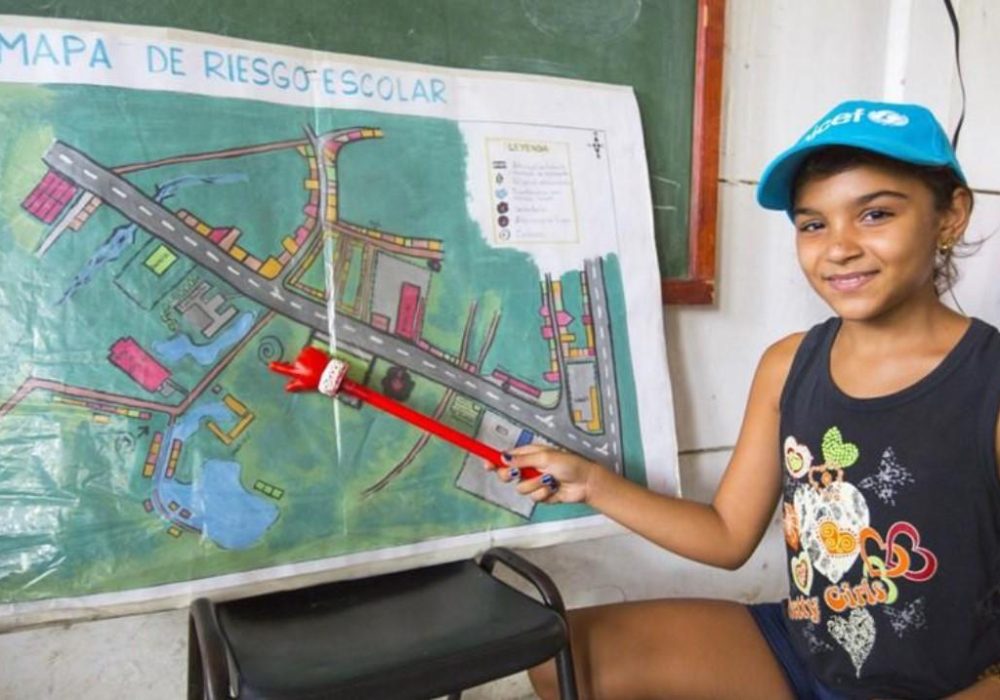
Given Cuba’s high-risk vulnerability to natural disasters, the impact of climate change, and the need to implement comprehensive school safety components, UNICEF has launched the “Resilient Schools in Cuba” project. In this project, children and adolescents can play an active role in reducing disaster risks; they bring critical skills, individual experiences, and ideas to find solutions. In this way, and through the right to participation, the right to education is guaranteed, while achieving the main goals and objectives of the entire 2030 Agenda.
In this context, the ITURRI Foundation joins and signs a three-year alliance with UNICEF Spain to promote the resilience of schools in the most vulnerable areas of the country that are being impacted by climate change and natural disasters. The goal is to strengthen the response capacity of schools and encourage the participation of children and adolescents in reducing the risks of natural disasters.
Specifically, the project’s intervention areas are three provinces in Cuba – Guantánamo, Holguín, and Sancti Spíritus – covering a total of 10 rural primary schools and 3 pioneer explorer centers. These three provinces have been impacted by intense hurricanes in the last 15 years and are the territories most at risk of being affected by an earthquake in the country, in addition to being vulnerable to drought periods and other effects of climate change; negatively impacting the development of their already complex and fragile socioeconomic situation.
The intervention aims to achieve:
1. Benefit 1,892 students (966 boys and 926 girls), 224 teachers, and 1,741 families in the intervention areas.
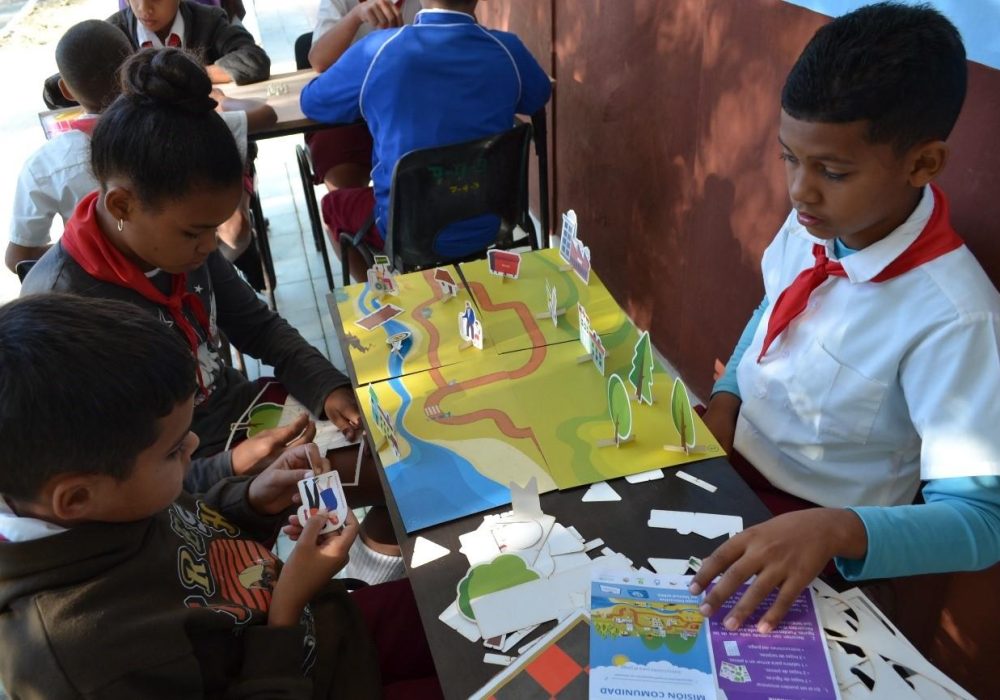
2. Provide educational materials and training to contribute to the resilience of schools to climate change. For example, promoting the rational use of energy in schools and improving water, sanitation, and hygiene conditions for children.
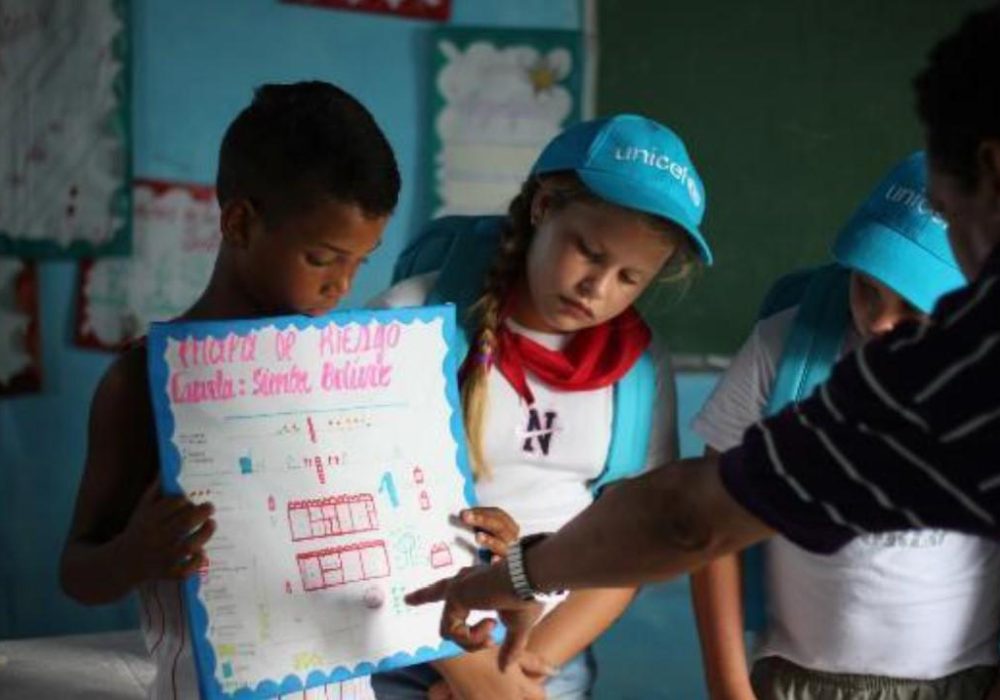
3. Actively involve children and adolescents in managing to mitigate the effects of climate change and potential natural disasters.
4. Strengthen the training of teachers and the educational community through workshops on the prevention and reduction of risks related to climate change.
The Alliance is aligned with SDG 4 – ensuring inclusive and equitable quality education and promoting learning opportunities – and with SDG 13 – mitigating the impact of climate change and adapting to its consequences through global and local actions.